


The Science of Gratitude Journaling: A Simple Habit for a Happier Life
Happiness is something we all want more of, yet it can often feel out of reach. Is happiness a fleeting emotion, or something we can intentionally build into our everyday lives? As International Happiness Day approaches on March 20th, it feels like the perfect moment to explore what science tells us about happiness and how small, consistent habits can have a powerful impact.
At The Head Plan, we believe that happiness is not just a destination but a journey that requires reflection, gratitude and intentional action. One of the most effective and accessible tools for this is gratitude journaling. Backed by positive psychology and neuroscience, this simple practice has been shown to support emotional balance, improve mood, and help us feel more grounded day to day.
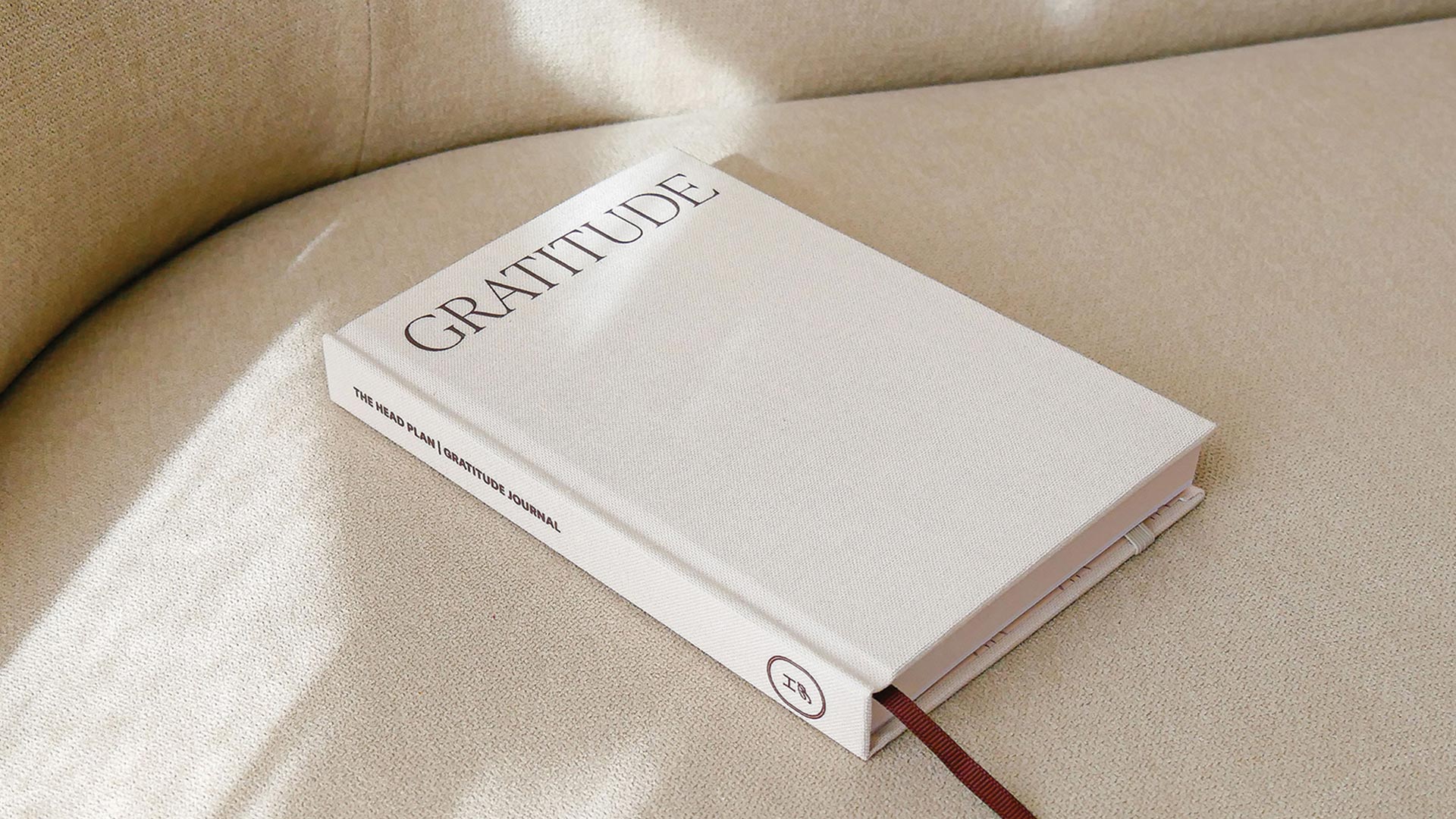
When paired with The Head Plan Journal, The Gratitude Journal becomes a natural extension of your routine, helping you reflect, reset, and move forward with intention.
The Science Behind Happiness
Happiness is not just a feeling. It is a measurable state influenced by a combination of biological, psychological, and social factors. In positive psychology, happiness is often explained through two key types of wellbeing:
- Hedonic wellbeing: This refers to the pleasure-driven aspect of happiness, such as laughter, enjoying a nice meal, and moments of comfort.
- Eudaemonic wellbeing: This is a deeper and longer lasting form of happiness, rooted in meaning, personal growth, and a sense of purpose.
Research suggests that while genetics and life circumstances play a role, a significant portion of our happiness is influenced by intentional daily behaviours. In fact, 40% of happiness is influenced by intentional activities, just 10% is shaped by external circumstances, and the remaining 50% is genetic.
This is where habits like journaling and gratitude practices become so powerful. They give us a practical way to influence how we think, feel, and respond to everyday life.
Why Gratitude Journaling Works
Gratitude journaling is supported by a growing body of scientific research. Regularly focusing on what is going well trains the brain to notice positive experiences more easily, even during stressful periods.
Some of the proven benefits of gratitude journaling include:
- Reduced stress and anxiety by helping the brain move out of constant problem solving mode
- Improved mood through increased dopamine and serotonin activity
- Better sleep by calming the nervous system before rest
- Greater emotional resilience during challenging or uncertain times
Writing things down matters. Putting pen to paper slows your thoughts, encourages reflection, and helps your mind process experiences more clearly. Over time, this practice can gently reshape your mindset in a way that feels supportive rather than forced.
How a Gratitude Journal Fits Seamlessly Into Your Routine
The Head Plan Gratitude Journal is designed to fit naturally into real life. It works whether you are new to journaling or already have an established practice.
A Simple Daily Practice
Each morning or evening, spend five minutes responding to the guided prompts provided in your journal. These prompts are specifically designed to help you rewire your mindset to boost happiness. Writing down three things you are grateful for helps your brain tune into everyday positives. These do not need to be big moments. A warm coffee, a message from a friend, or a quiet walk all count.
The Reframing Technique
Gratitude journaling is not about pretending everything is perfect. On harder days, try reframing it by writing one positive takeaway or lesson. For example, instead of writing, "Today did not go to plan," you might write, "Today reminded me that I can adapt and keep going."
This shift supports emotional flexibility and self-compassion.
Weekly Gratitude Letter Exercise
Once a week, write a short gratitude letter to someone who has impacted your life can significantly boost feelings of connection and wellbeing. Even if the letter is never sent, the act of writing strengthens positive emotions.
The Perfect Pair: Gratitude Journal and The Head Plan Journal
While The Gratitude Journal focuses on appreciation and mindset, The Head Plan Journal helps you turn reflection into action. Together, they create a balanced system for personal growth that feels supportive rather than overwhelming.
Use your Gratitude Journal to anchor your mindset and emotional wellbeing. Use The Head Plan Journal to plan goals, reflect on progress, and understand what truly matters to you.
This pairing allows you to:
- Start your day grounded and focused
- Reflect on progress with kindness rather than pressure
- Balance ambition with self-awareness
- Build consistency through structure and reflection
Many people find that gratitude helps them show up more clearly in their planning. When your mindset feels calmer and more positive, setting goals becomes less about fixing yourself and more about moving toward what you want.
Actionable Steps to Build Happiness Into Everyday Life
Journaling works best when it feels easy and personal. A few practical ways to stay consistent include:
- Start small with one sentence a day – stay consistent and gradually build up.
- Make it a ritual: Attach journaling to an existing habit like your morning coffee or bedtime routine.
- Use guided prompts: If you’re ensure where to start, use guided prompts to spark inspiration.
- Be honest & unfiltered: Write honestly without worrying about how it sounds – this is your space, it doesn’t have to be perfect!
- Review & Reflect: Look back on your week regularly, acknowledging your progress and areas for improvement.
A Gentle Reminder
Happiness is not something we find, it’s something we create. It is built through small, intentional choices repeated over time. By understanding the science behind happiness and implementing small, intentional habits like journaling, we can actively shape a life filled with more joy, gratitude and purpose.
Whether you are using a Gratitude Journal on its own or pairing it with The Head Plan Journal, these tools are designed to support you wherever you are right now.
This International Happiness Day, take a moment to pause. Write down three things you are grateful for.
Because happiness is not just a feeling. It is a practice, and it starts with you.